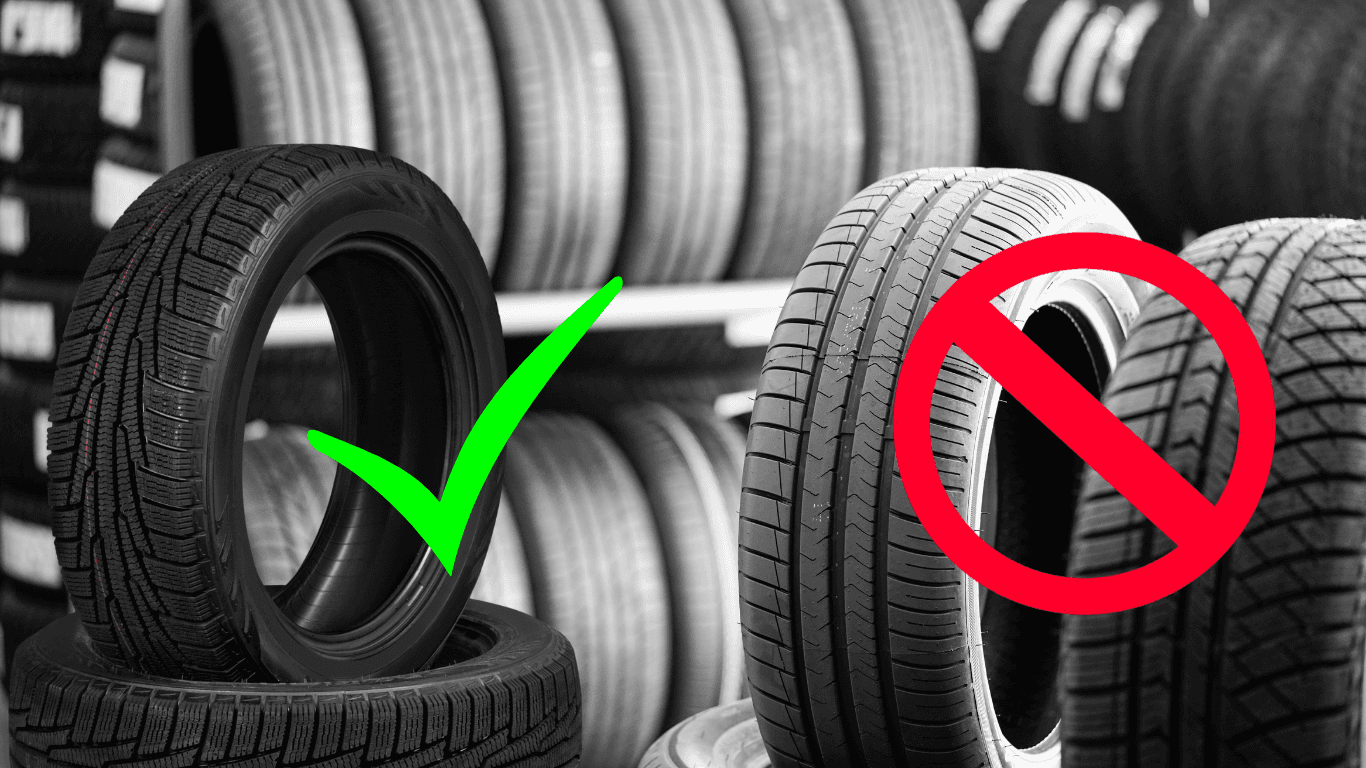
Nigerian Roads vs. Your Tyres: A Survival Guide on Major Roads and VIS
Published April 23, 2026
Nigeria we’ve all seen it! A beautiful car suddenly pulled over on the Third Mainland Bridge, or worse, a high-speed blowout on the Lagos-Ibadan Expressway. While many factors cause road accidents, one of the most overlooked "silent killers" is the expired tire.
In Lagos, where the asphalt can reach temperatures over 50°C and the traffic is relentless, your tires are your first line of defense. But do you know when yours "expire"?
🕒 The 4 Years Rule
According to the Federal Road Safety Corps (FRSC), the safe lifespan of a tire is 4 years from its Date of Manufacturing (DOM) not the day you bought it. Even if the tread looks deep and new, the chemical bonds in the rubber degrade over time, especially in our tropical heat.
💸 The Cost of Negligence
The Lagos State Transport Sector Reform Law is clear. If you are stopped by the Vehicle Inspection Service (VIS) or LASTMA, here is what you face:
- Worn-out tires: ₦20,000 fine (1st offense); ₦30,000 for subsequent offenses.
- No functional spare tire: ₦20,000 fine.
- Unsafe vehicle (Impoundment): If your tires are deemed a danger to others, your vehicle can be impounded until repairs are made.
🔍 How to Read the "Secret Code"
You don’t need a mechanic to check your tire’s age. Look for a 4-digit code on the sidewall (e.g., 1224).
- 12 = The 12th week of the year.
- 24 = 2024.
- Expiry date. This tire is legally and safely done until the 12th week of 2028 which is the 4 years interval timeframe you have to use it.
💡Tips for Lagos Drivers
- Avoid "Tokunbo" (Used) Tires: While cheaper (₦20k vs ₦80k), many are already 3+ years old. You are essentially buying someone else's trash.
- The Coin Test: Place a ₦1 coin into the tread. If you can see the top of the "1", your tread is below the legal limit of 1.6mm.
- Check the Spare: The Lagos VIS specifically checks if your "Plan B" is functional. Don't get caught without it.
🔬 Detailed Research Report: Tyre Longevity in Nigeria
1. The Chemistry of Degradation
The primary cause of tire failure in Nigeria is it's Thermo-oxidative Degradation.
- UV Exposure: Lagos experiences high UV radiation which causes crazing which are the fine cracks in the sidewall of the tyre. This oxidizes the rubber, making it brittle.
- Internal Heat: Research shows that for every 10°C increase in operating temperature, the chemical reaction rate in the rubber doubles, halving its remaining life. In Nigerian traffic, the "stop-start" nature prevents tires from cooling down.
2. Regulatory Framework & Enforcement
- National Standard (FRSC): The FRSC enforces the NIS (Nigerian Industrial Standard) for tires. They mandate a replacement every 4 years.
State Enforcement (Lagos VIS/LASTMA): Under the 2018 Transport Reform Law, Lagos officials have the statutory power to stop and inspect vehicles for "roadworthiness." Unlike the FCT (Abuja), where VIO powers were recently challenged, the Lagos Ministry of Justice confirmed in 2026 that VIS operations remain fully legal and enforceable.
3. Statistical Impact on Road Safety
| Cause of Crash | Percentage (%) |
|---|---|
| Tyre Burst/Failure | ~7.5% - 9.0% |
| Speeding (Aggravated by bad tires) | ~55% |
| Overloading (Pressure stress) | ~12% |
4. The "Tokunbo" Economic Trade-off
Current market research from 2024 to 2026 shows a significant price gap.
- New Tier-1 Tyre (Michelin, Bridgestone): ₦95,000 – ₦150,000.
- New Budget Tyre (Chinese imports): ₦60,000 – ₦85,000.
- Used (Tokunbo) Tyre: ₦18,000 – ₦35,000.
Research indicates that Tokunbo tires often have internal structural damage hidden from the eye, due to improper storage during shipping in hot containers, leading to a much higher failure rate per kilometer driven.
Road safety officials in Lagos emphasize that Tyre Pressure (PSI) is as important as age. Most blowouts in Nigeria are caused by under-inflation, which causes the sidewall to flex excessively, generating heat that melts the internal adhesives, leading to tread separation. Again drive safe, change your tyres every 4 years, have a Plan-B, check tyres before purchashing them and follow road safety guidelines to drive on major roads.
Ready to get started?
Have questions? Reach out to us at support@resqx.ng or download our app to streamline your fleet today.
Related Articles
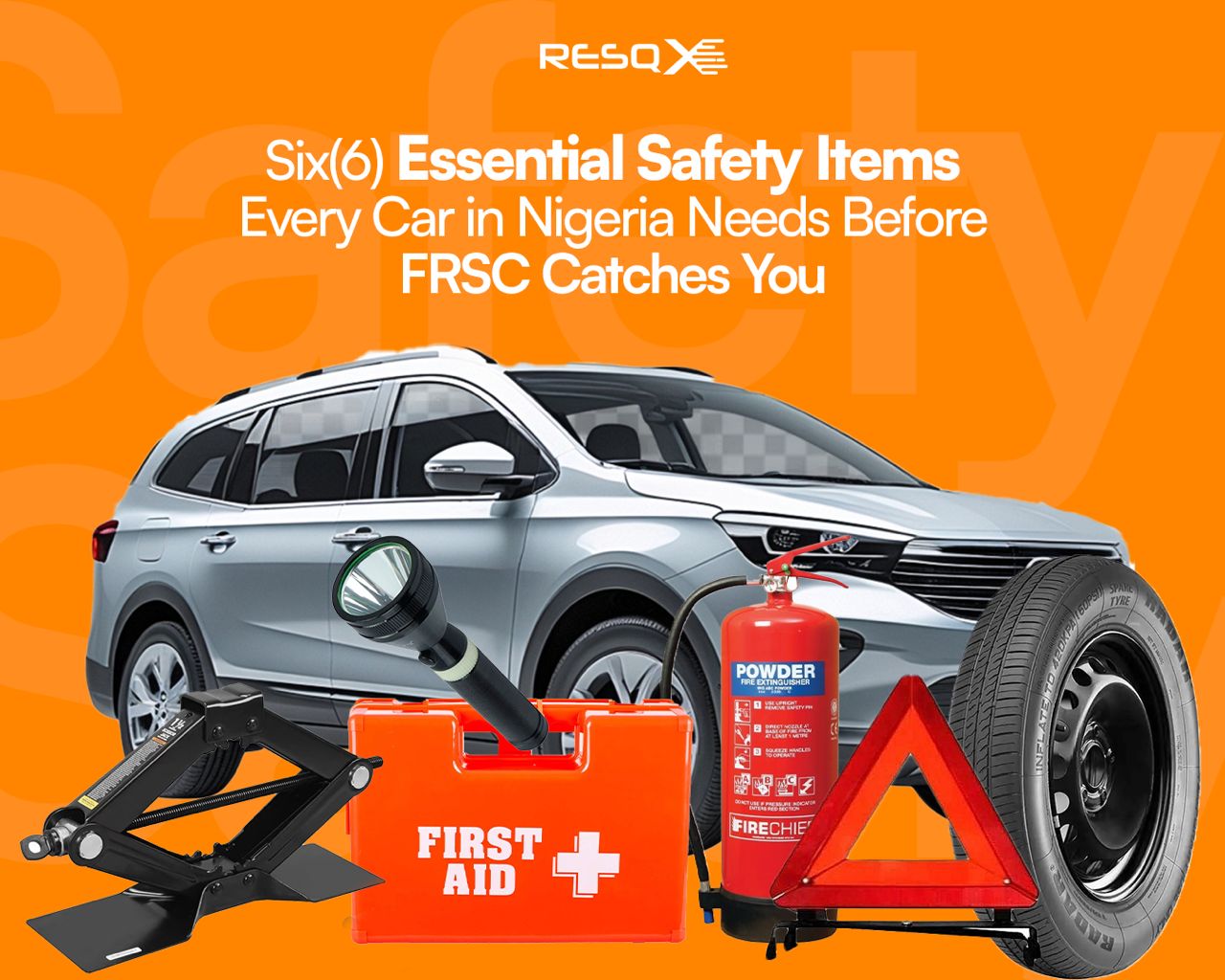
6 Essential Safety Items Every Car in Nigeria Needs Before FRSC Catches You
Driving in Nigeria is unpredictable. From avoiding heavy FRSC fines to handling sudden roadside emergencies, equipping your trunk with these 6 essential safety items is the smartest move you can make. Are you fully compliant?
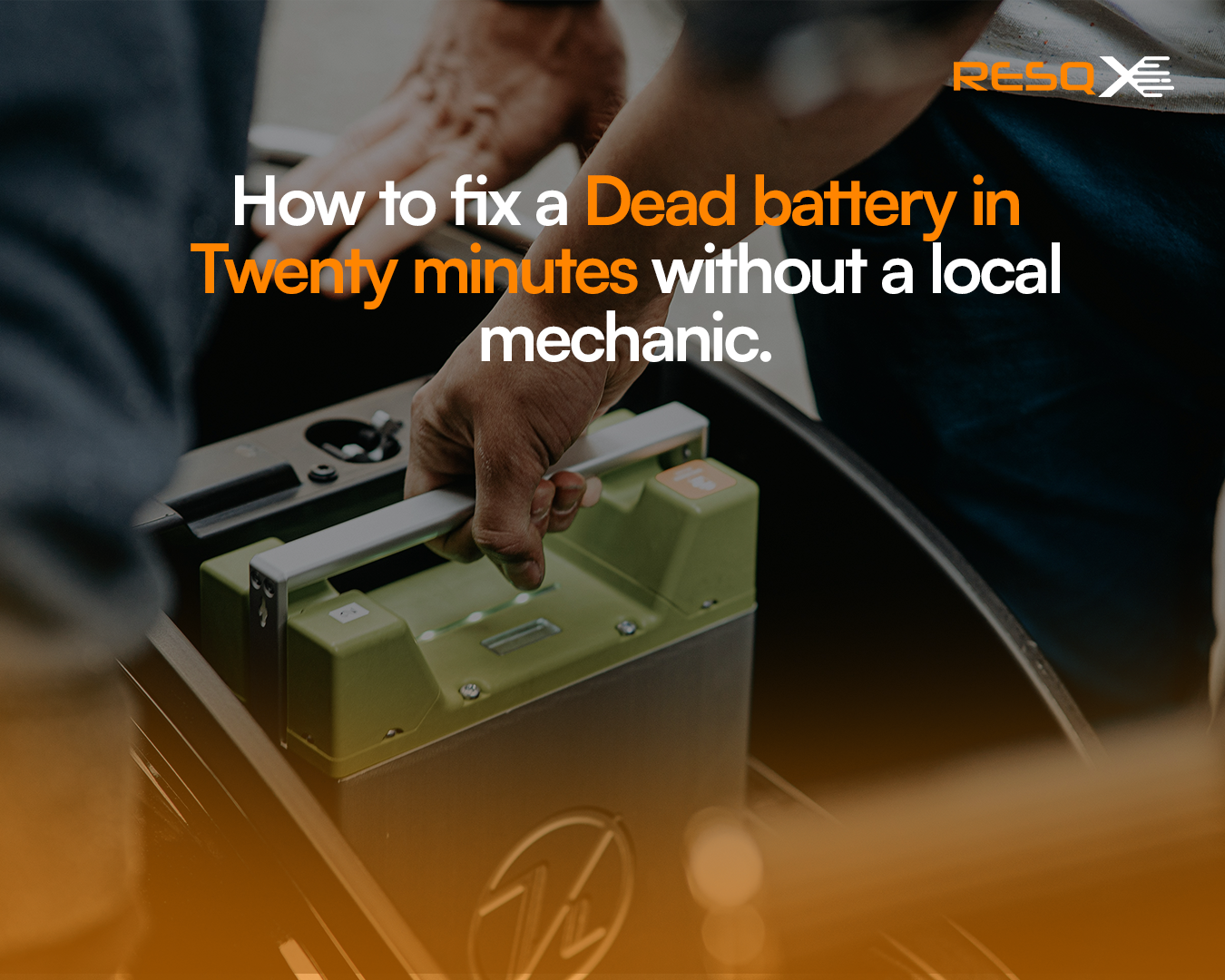
How to fix a dead battery in twenty minutes without a local mechanic
A dead battery always happens when you are already running late. Learn how to get back on the road in twenty minutes with ResQ-X.
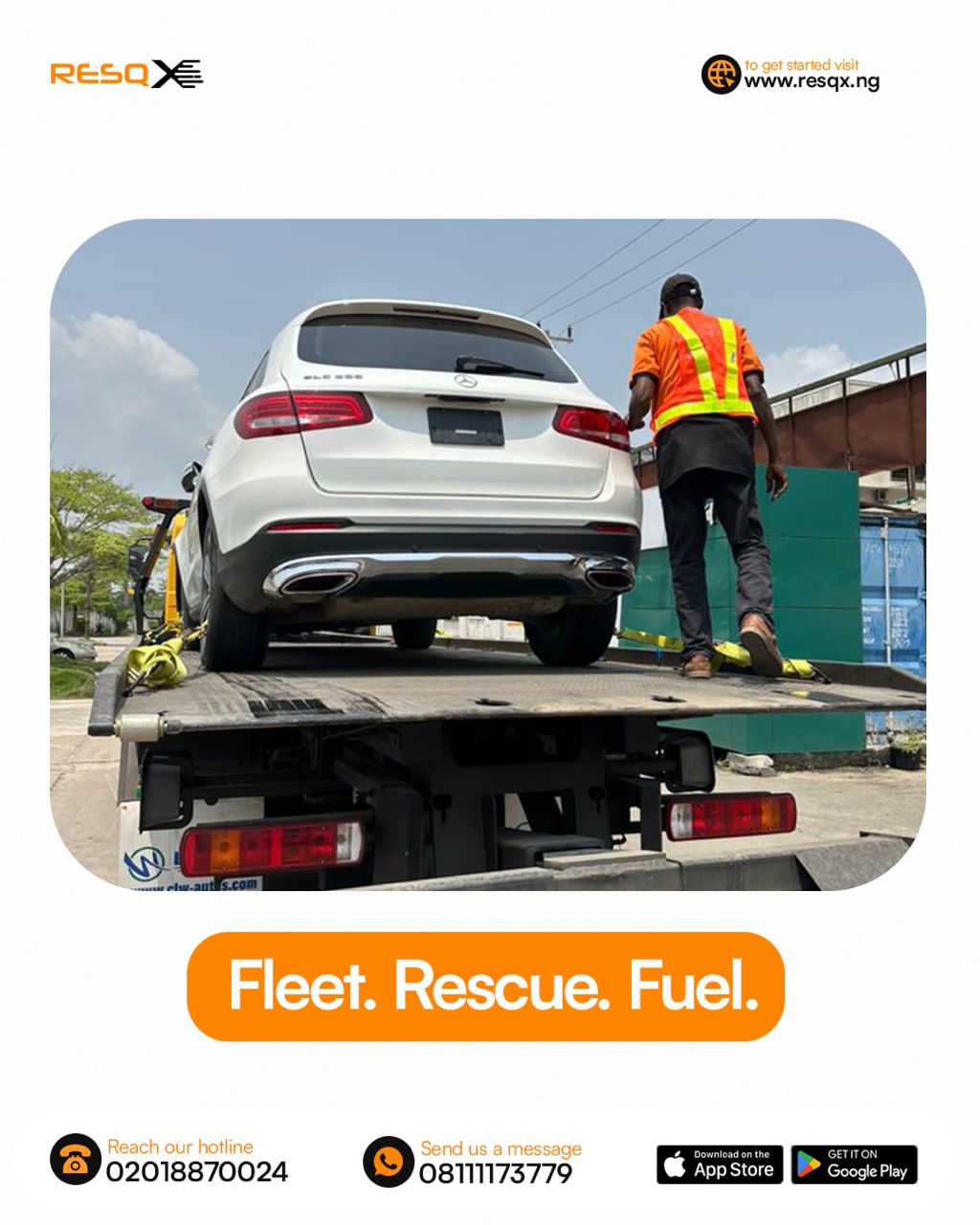
How to move your cars across Nigeria without driving them yourself
Moving to Abuja or Port Harcourt? Use ResQ-X to move your cars safely across all 36 sates in Nigeria without the stress of driving.