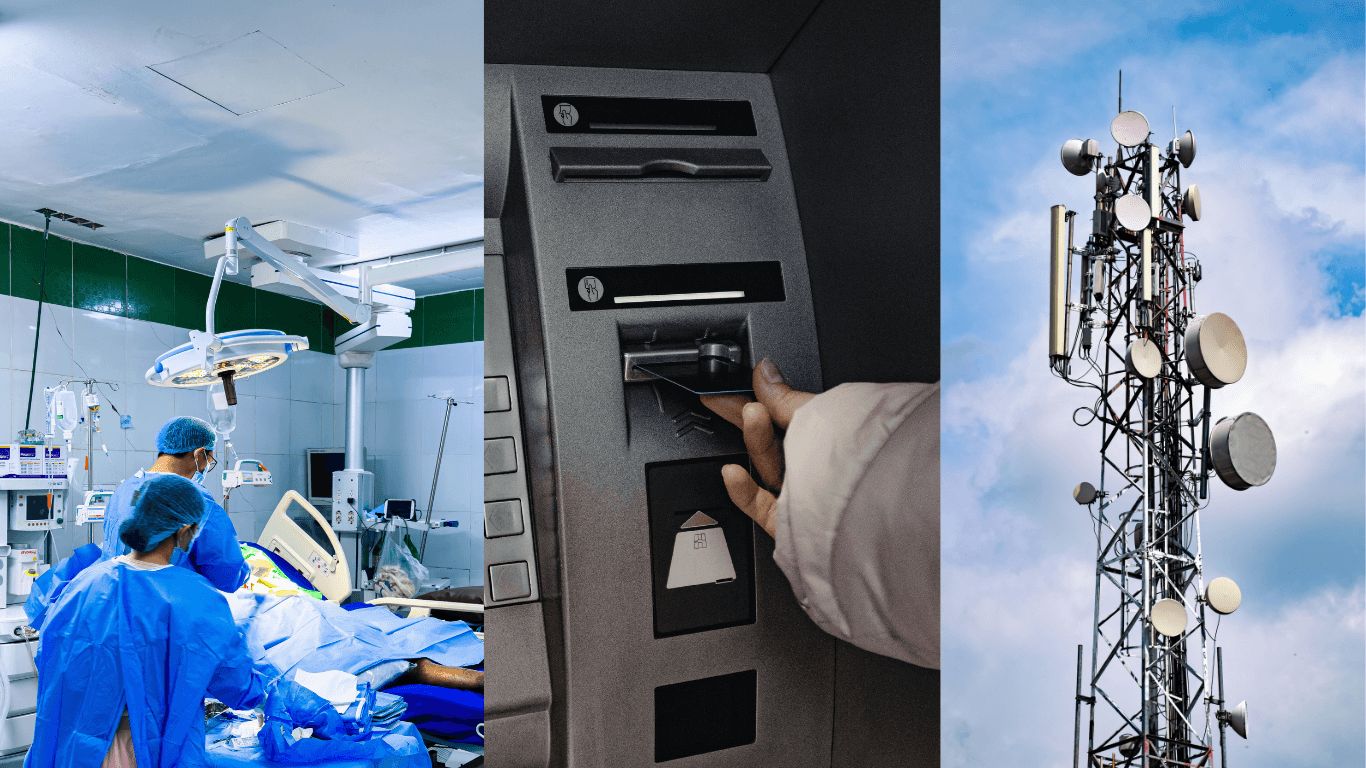
On-Demand Fuel in Nigeria: Why Banks, Hospitals, and Telcos Can’t Afford Delays
Published January 20, 2026
In Nigeria, power is not a luxury; it is a daily operational reality. For critical institutions like banks, hospitals, and telecom companies, electricity is non-negotiable, and fuel is not a “maybe later” expense. Yet, many organizations still rely on last-minute fuel runs, frantic phone calls, or roadside suppliers when emergencies strike.
This gap between fuel availability and fuel access is where operations fail and where on-demand refuel partners like ResQ-X become essential.
A Relatable Nigerian Scenario
It’s 1:30 AM in Lagos. A busy commercial bank branch runs on generator power after a grid failure. ATMs are active, night security is on duty, and digital transactions are flowing smoothly.
Then it happens: the generator alarm signals low fuel.
The operations manager scrambles:
- The regular fuel vendor is unreachable.
- The assigned driver lives far away.
- Traffic checkpoints slow movement.
Within one hour, the generator shuts down. ATMs go offline. Network links drop. Customer transactions fail.
By morning, the bank faces customer complaints, internal incident reports, and reputational damage all because fuel was available in the city but not accessible when it mattered most.
This story repeats daily in hospitals and telecom base stations across Nigeria.
The Hidden Risk of Traditional Fuel Arrangements
Many organizations assume fuel risk is solved once a generator is installed, but that is far from reality. Generators only work if fuel logistics are structured:
- Fuel stations close at night or during scarcity
- Drivers may not be immediately available
- Cash-based fuel purchases delay response
- No real-time visibility on fuel levels
- Emergencies expose process weaknesses
For institutions operating 24/7, this reactive approach is no longer sustainable.
Why Banks Need On-Demand Refuel Partners
Banks run on trust, uptime, and availability. Every minute of power loss affects
- ATM uptime and transaction volumes
- Core banking systems
- Security infrastructure
- Customer confidence
On demand refuel partners ensure banks are never dependent on panic calls or improvisation. Fuel delivery becomes a controlled process, not a gamble.
Why Hospitals Cannot Afford Fuel Delays
For hospitals, fuel is not convenience, it is life.
Continuous power is critical for:
- Operating theatres and ICUs
- Oxygen systems
- Cold storage for blood and vaccines
- Diagnostic equipment
A fuel delay in a hospital is not a business interruption; it is a medical emergency.
On demand refuel services guarantee:
- Immediate response during outages
- No dependence on ad-hoc fuel sourcing
- Reduced risk to patients and staff
- Compliance with healthcare safety standards
Why Telcos Rely on Structured Refueling
Telecom companies operate thousands of base stations, often in remote or high-risk locations. When fuel runs out:
- Network coverage drops
- Calls fail
- Internet access is disrupted
- Customer experience suffers
On demand refuel partners give telcos centralized control, faster response, and real-time visibility across distributed assets.
What On-Demand Refuel Partners Actually Solve
On demand refuel is not just fuel delivery. It is a business continuity system.
- 24/7 fuel accessibility
- Predictable response times
- Reduced operational stress on staff
- Lower downtime risk
- Improved audit and reporting readiness
Instead of reacting to emergencies, organizations move to prepared operations.
Where ResQX Fits In
ResQX exists to close the gap between fuel availability and fuel access.
Through on-demand refueling, emergency response, and fleet support, ResQX helps banks, hospitals, and telcos stay operational — even when everything else fails.
No panic. No last-minute calls. Just structured response when it matters most.
Final Thought
In Nigeria, outages are expected. Downtime should not be.
Organizations that treat fuel as a strategic resource not an afterthought are the ones that stay resilient, trusted, and operational.
Ready to get started?
Have questions? Reach out to us at support@resqx.ng or download our app to streamline your fleet today.
Related Articles
Nigerian Roads vs. Your Tyres: A Survival Guide on Major Roads and VIS
As the 2026 rainy season kicks off, the FRSC and Lagos VIS are ramping up inspections. From the ₦20,000 fine for a missing spare to the chemistry of why tyres fail in Nigerian heat, this guide is your roadmap to staying legal and safe on the Third Mainland Bridge and any other major roads in Nigeria.

10 Dangerous Lagos Spots: Why a Breakdown Means an 80% Robbery Risk | ResQ-X
A breakdown in Lagos is more than a mechanical failure it’s a race against the clock. From the isolated stretches of the Third Mainland Bridge to the hazardous slopes of Otedola Bridge, we’ve mapped out the 10 most dangerous locations to get stranded in the city. Discover why these 'Red Zones' demand a professional response and how ResQ-X’s priority dispatch ensures you aren't left vulnerable.
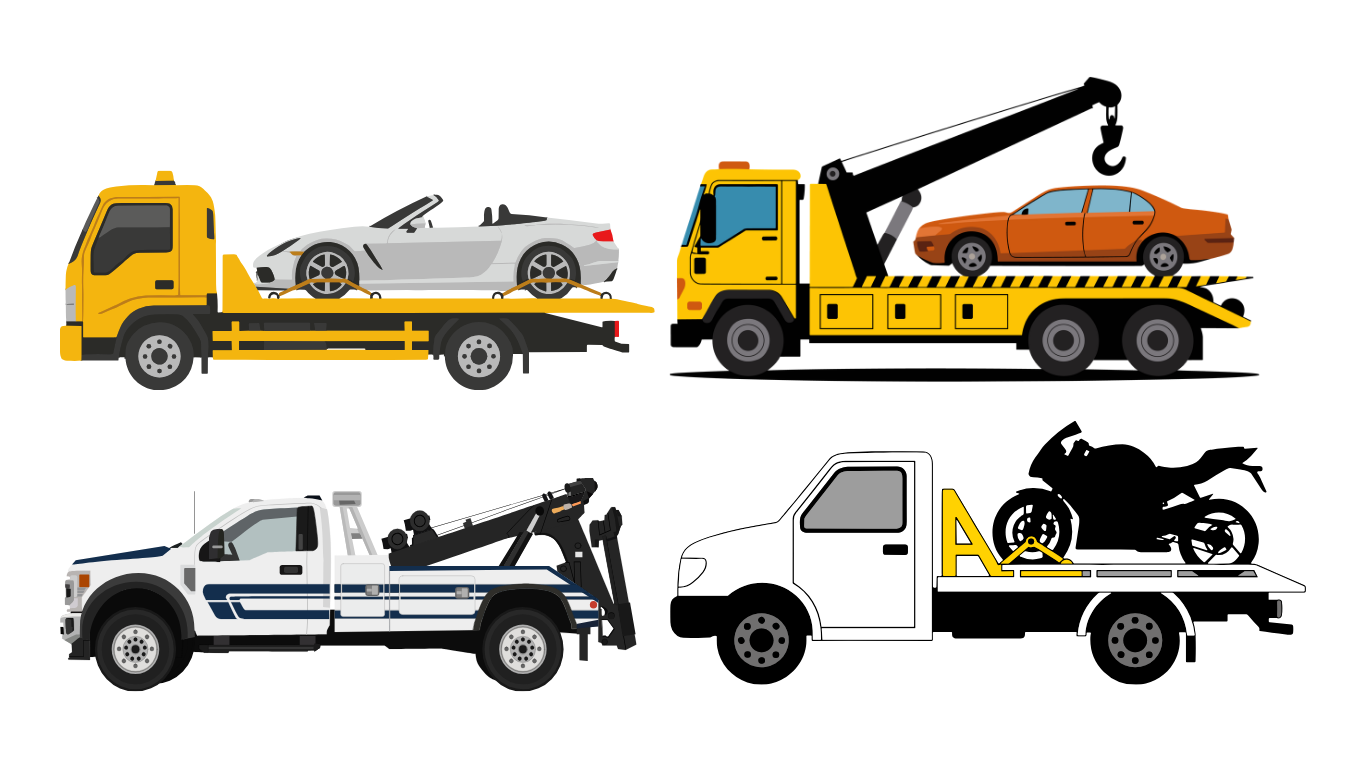
10 Types of Towing Trucks: The Ultimate Guide to Safe Vehicle Recovery in Lagos | ResQ-X
A breakdown in Lagos is stressful, but the wrong tow truck can make it worse. From flatbeds to rotators, we break down the 10 essential towing vehicles and why ResQ-X is the only service in the city that matches the right tech to your car.