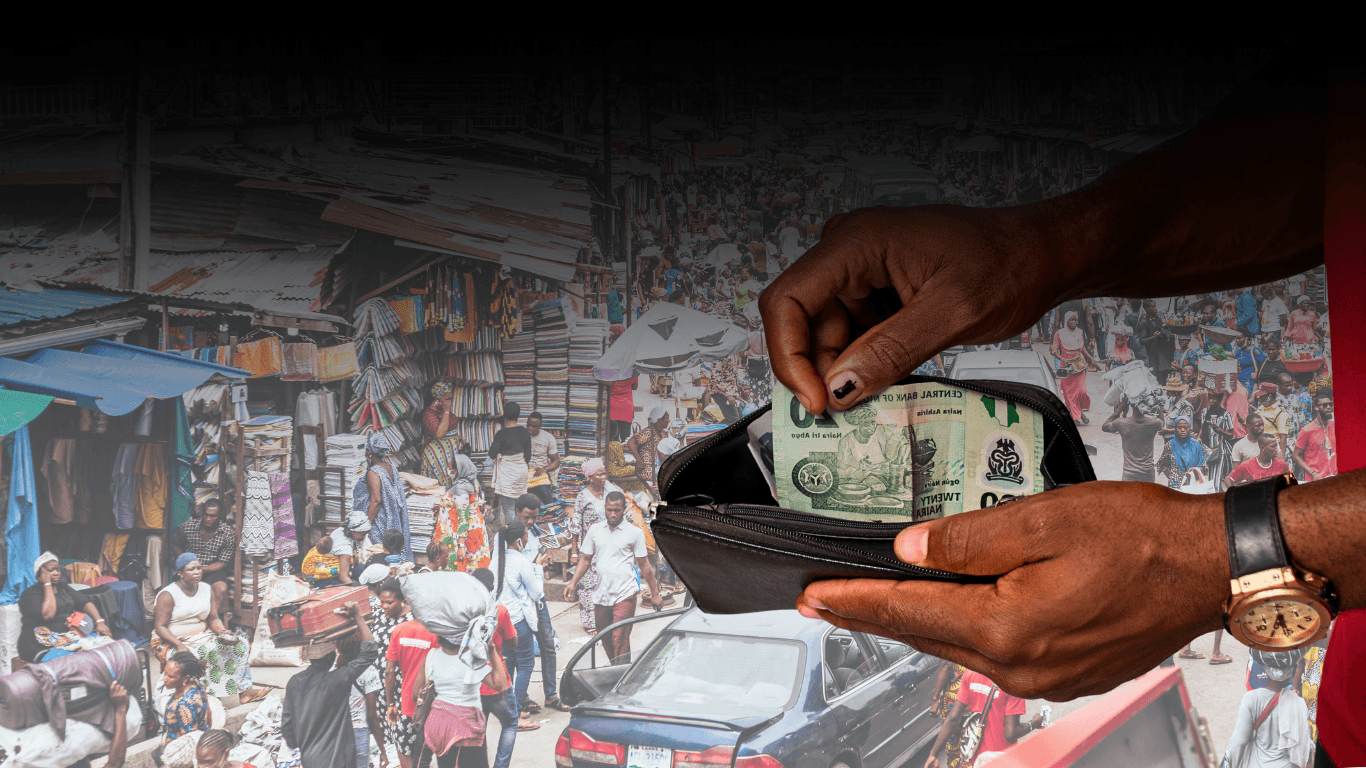
Nigeria’s Income Crisis Meets Fuel Reality: How Rising Costs Are Crushing the Average Nigerian
Published March 31, 2026
Nigeria is facing a silent but devastating economic squeeze.
Recent data shows that only 1 in 20 Nigerians earns above ₦1 million monthly, while nearly 60% earn below ₦100,000 or have no stable income at all. That means 3 out of every 5 Nigerians are surviving on less than ₦100,000 monthly.
At the same time, the cost of living is rising aggressively.
The real question is:
How does an average Nigerian survive when income is low, but expenses keep rising?
The answer lies in three critical areas Transportation. Food. Shelter.
And at the center of all three is one major factor Fuel.
⛽ Fuel, The Hidden Force Behind Every Expense
Fuel is no longer just something you buy at the filling station.
It is the cost of getting to work, the cost of transporting food, the cost of powering homes and businesses.
When fuel prices rise, everything rises with it.
🚗 Transportation, The Daily Struggle
For millions of Nigerians, transportation is now one of the biggest daily expenses. Public transport fares have increased, Logistics and delivery fees have surged
For someone earning below ₦100,000, a large percentage of income now goes into just moving around
This reduces savings, investment capacity and the quality of life.
🍲 Food, The Domino Effect
Food prices are directly tied to fuel.
Why? Farmers depend on fuel for production. Transporters depend on diesel and petrol. Markets adjust prices based on logistics cost
So, when fuel increases rice increases, bread increases and vegetables increase
The average Nigerian ends up paying more for basic survival.
🏠 Shelter, The Overlooked Impact
Housing costs are also affected by fuel diesel powers generators in apartments and estates, landlords increase rent to cover energy costs, maintenance costs go up
In cities like Lagos tenants now indirectly pay for fuel through rent and service charges
⚡ Power Failure Makes It Worse
With unstable electricity homes rely on petrol generators and businesses rely on diesel
This creates a second layer of cost.
💡 The Real Crisis Income vs Cost Mismatch
Nigeria’s biggest problem right now is not just inflation.
It is
A widening gap between income and survival cost
- Income = stagnant or low
- Expenses = rising rapidly
This gap is what is pushing many Nigerians into debt, financial stress and reduced quality of life
🚨 Where ResQ-X Fits In
In a system like this, efficiency is everything.
ResQ-X Refuel (diesel & petrol) is not just about convenience, it addresses a deeper issue:
1. ⏱️ Saving Time
Instead of spending hours in fuel queues, users can order fuel directly
2. 📉 Reducing Hidden Costs
Less movement = less transport expense
But better planning = less emergency buying
3. 🧠 Smarter Fuel Access
Scheduled refueling
Bulk delivery for homes and businesses
Better control over fuel usage
🧩 The Bigger Picture
Nigeria’s economic pressure is not going away overnight.
But individuals and businesses must adapt by:
- Optimizing spending
- Reducing inefficiencies
- Leveraging smarter systems
Fuel is one of the biggest cost drivers in Nigeria today.
And how you access it can determine:
- Your daily expenses
- Your business profitability
- Your long-term financial stability
The average Nigerian is not just earning less.
They are
Paying more to survive
Until income improves, the only real advantage is:
Efficiency. Control. Smarter systems.
That’s where solutions like ResQ-X Refuel become more than a service
They become part of how Nigerians adapt to survive a changing economy.
Ready to get started?
Have questions? Reach out to us at support@resqx.ng or download our app to streamline your fleet today.
Related Articles
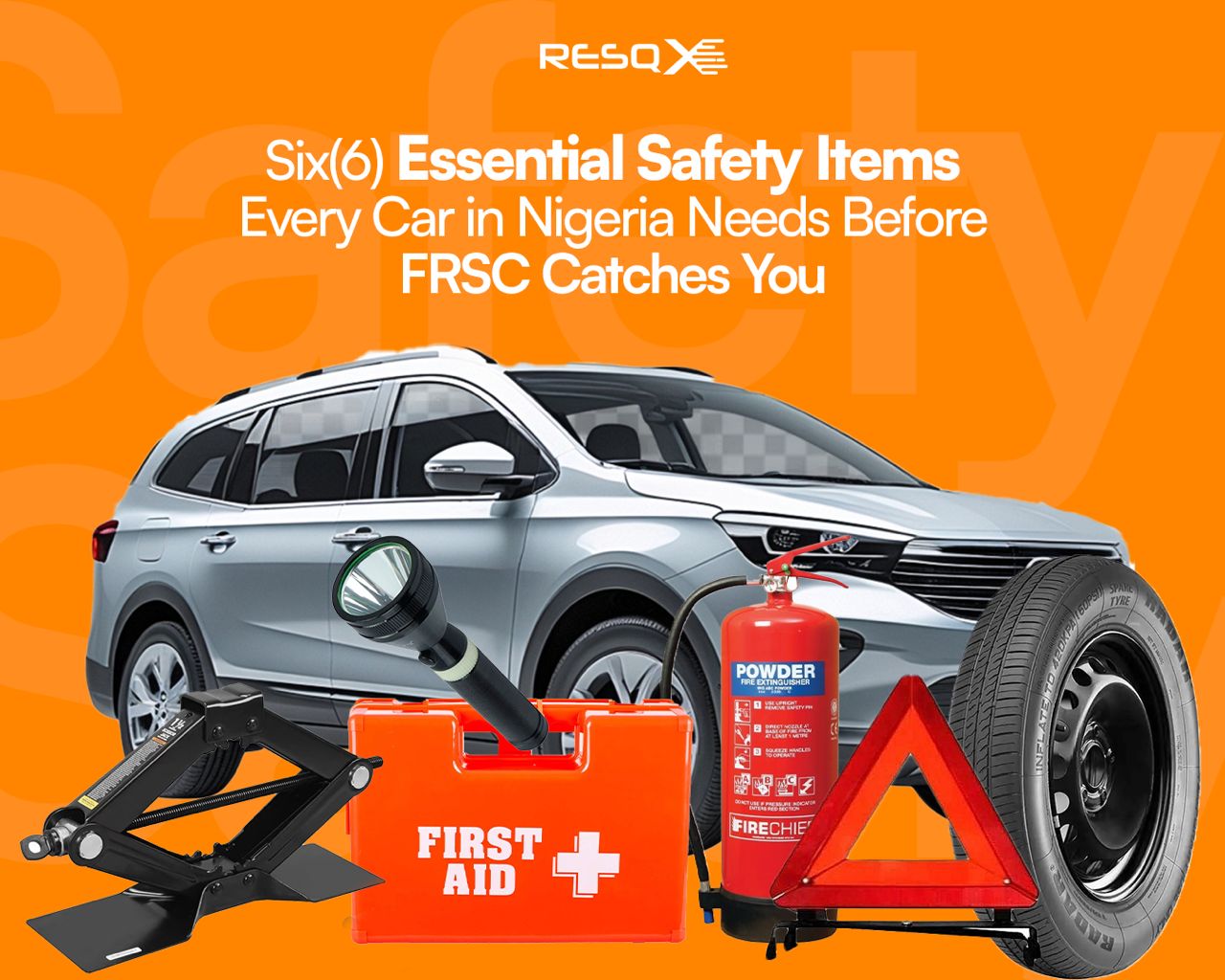
6 Essential Safety Items Every Car in Nigeria Needs Before FRSC Catches You
Driving in Nigeria is unpredictable. From avoiding heavy FRSC fines to handling sudden roadside emergencies, equipping your trunk with these 6 essential safety items is the smartest move you can make. Are you fully compliant?
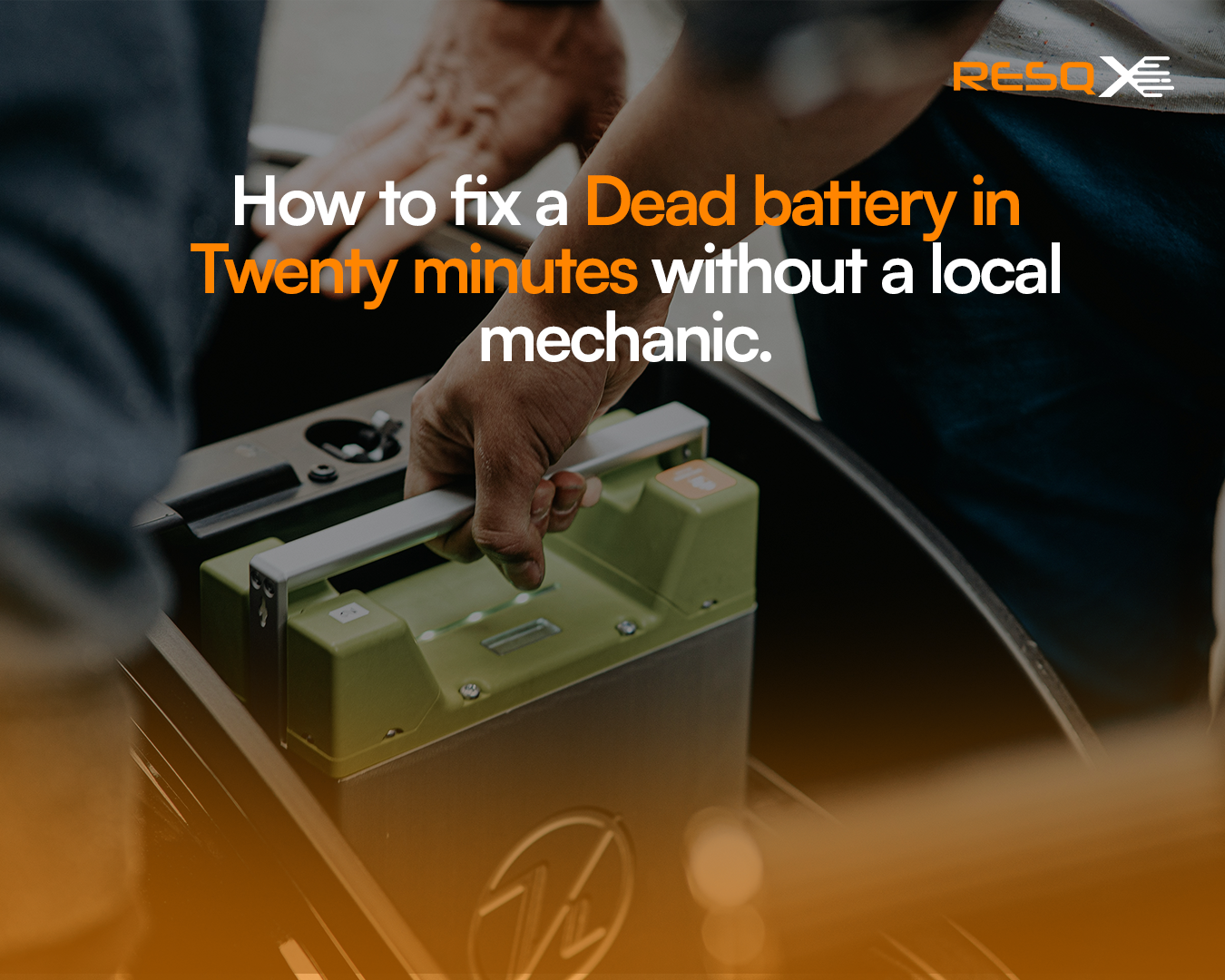
How to fix a dead battery in twenty minutes without a local mechanic
A dead battery always happens when you are already running late. Learn how to get back on the road in twenty minutes with ResQ-X.
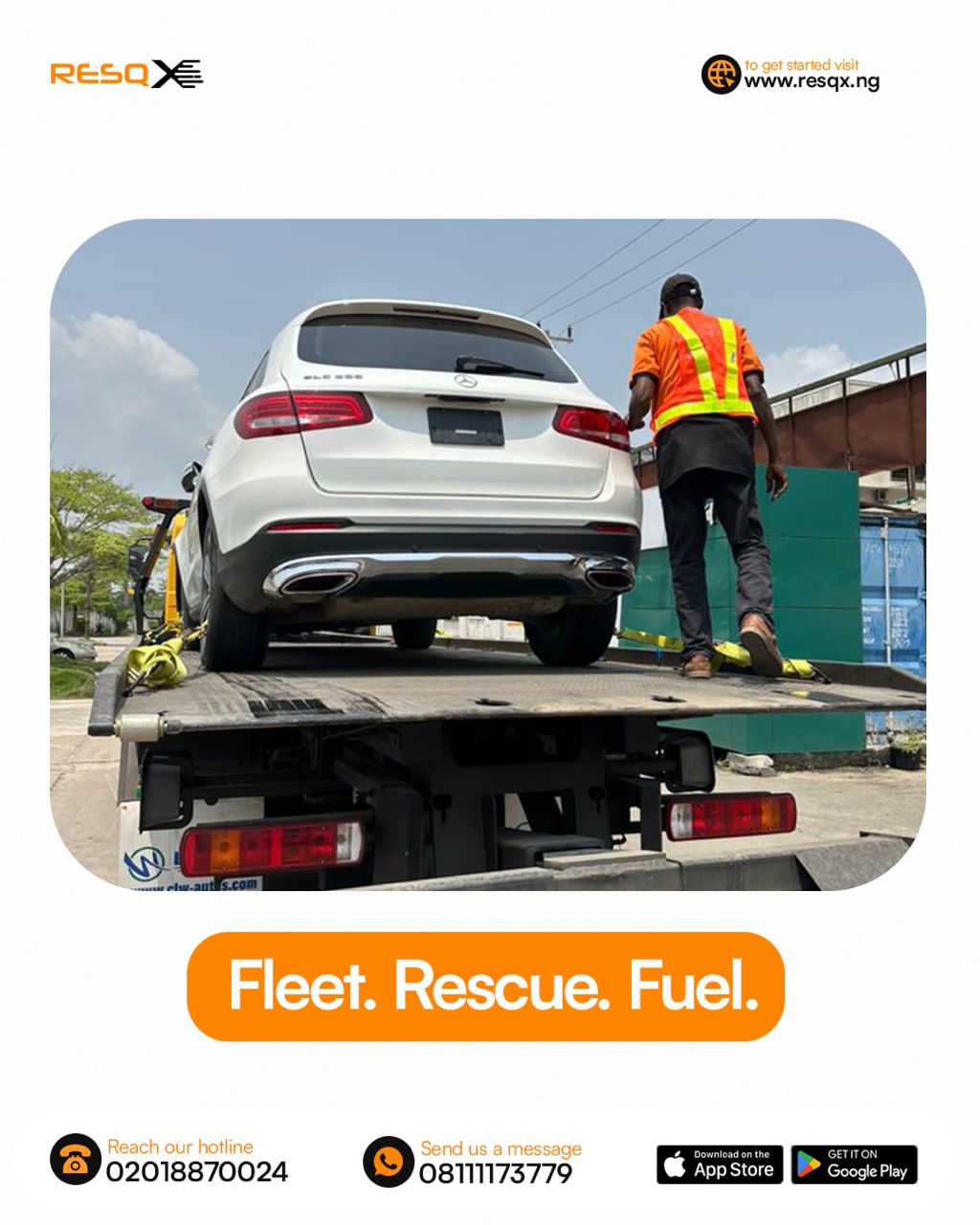
How to move your cars across Nigeria without driving them yourself
Moving to Abuja or Port Harcourt? Use ResQ-X to move your cars safely across all 36 sates in Nigeria without the stress of driving.